Synchrony
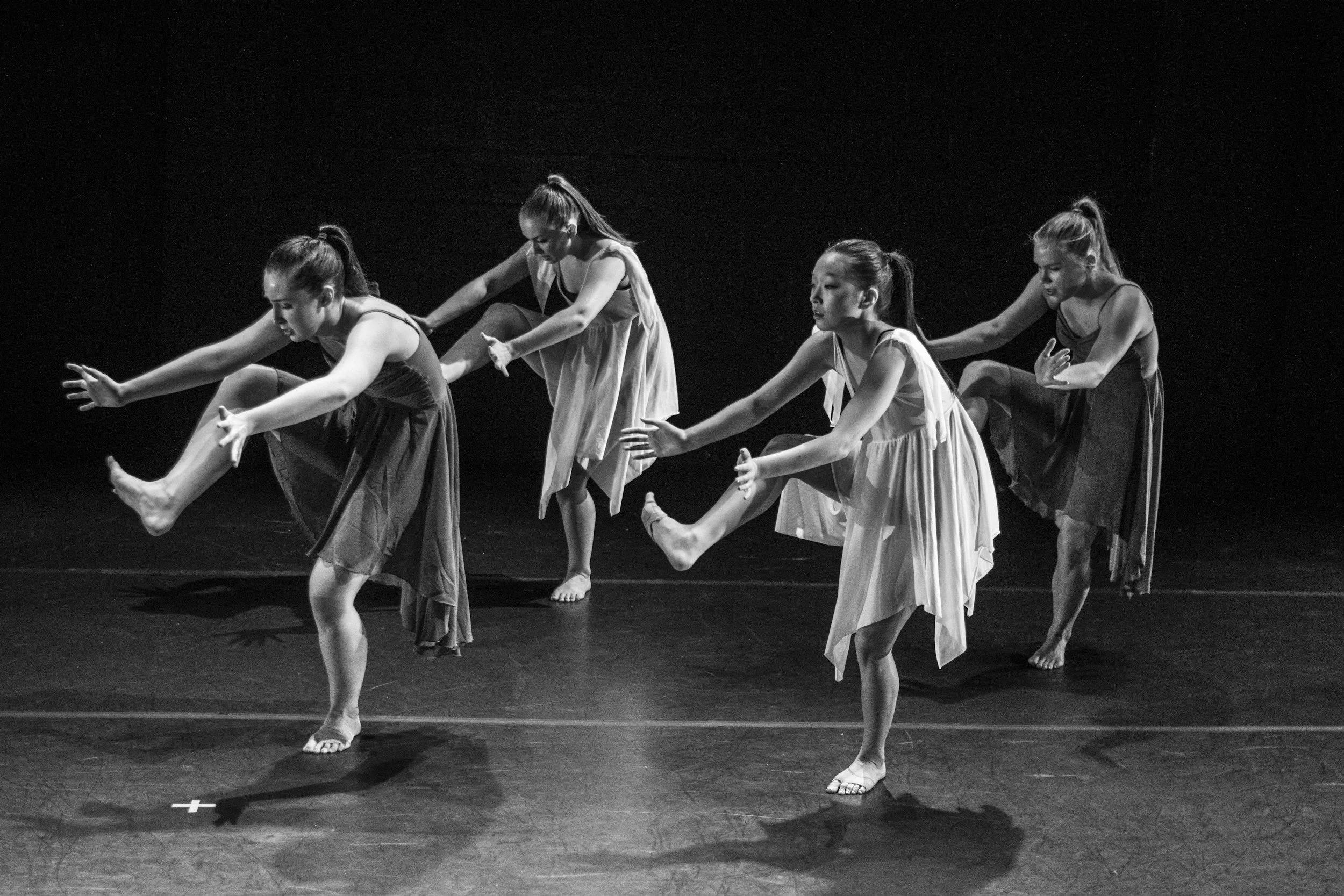
One of my realizations during my church visit at the end of last year was how much I miss singing hymns with the rest of the congregation. We could be singing one line over and over and over again, and rather than feeling a sense of boredom, I’ll be suffused with peace and gratitude. Later, I read Oliver Burkeman’s Four Thousand Weeks, and he had a passage about synchrony that felt pertinent to that realization. I’ve bolded the phrases that relate to the Six Needs.
Roman generals were among the first to discover that soldiers marching in synchrony could be made to travel for far longer distances before they succumbed to fatigue. And some evolutionary biologists speculate that music itself—a phenomenon that has proved difficult to account for in terms of Darwinian natural selection, except as a pleasurable by-product of more important mechanisms—might have emerged as a way of coordinating large groups of tribal warriors, who could move in unison by following rhythms and melodies, where other forms of communication would have proved too cumbersome for the job…. Synchrony is also a portal to another dimension—to that sacred place where the boundaries of the self grow fuzzy, and time seems not to exist…. For that matter, I've felt it in settings that are even more mundane—working my monthly shift at the food cooperative, for example, slinging boxes of carrots and broccoli onto the conveyor belt, in time with other workers I barely know but with whom, for a few hours, I share a bond that feels deeper than the one I have with some of my real friends. For a while, it's as if we're participating in the communal rhythms of a monastery, in which the synchronized hours of prayer and labor impart coherence and a sense of shared purpose to the day... From the point of view of military commanders, the chief benefit of synchrony among soldiers isn't that they'll march for longer distances. It's that once they feel they belong to something greater than themselves, they'll be more willing to lay down their life for their unit.
A shared purpose goes toward filling our growth needs while belongingness helps with our social needs. Furthermore, group synchrony has been shown to reduce stress, lower cortisol levels [safety], and reduce sensitivity to pain [physiological]. Finally, to operate in synchrony, one has to know (or infer) the rules of behavior, and that means expectations have been set and everyone participates in making sure the outcome meets expectations.
I suspect that military troops forge a deeper bond born of shared sacrifice in addition to that sense of purpose, but I do think there is a specialness to synchronous action in any form, whether it be in singing, chanting, dancing, marching, or playing in a drum line, band, or orchestra. Do you engage in regular synchrony? How so? What do you like or dislike about it? I’d love to hear about it in the comments.
Notes:
A couple of sources for the physiological benefits of synchrony: