Sports Spectators and Happiness
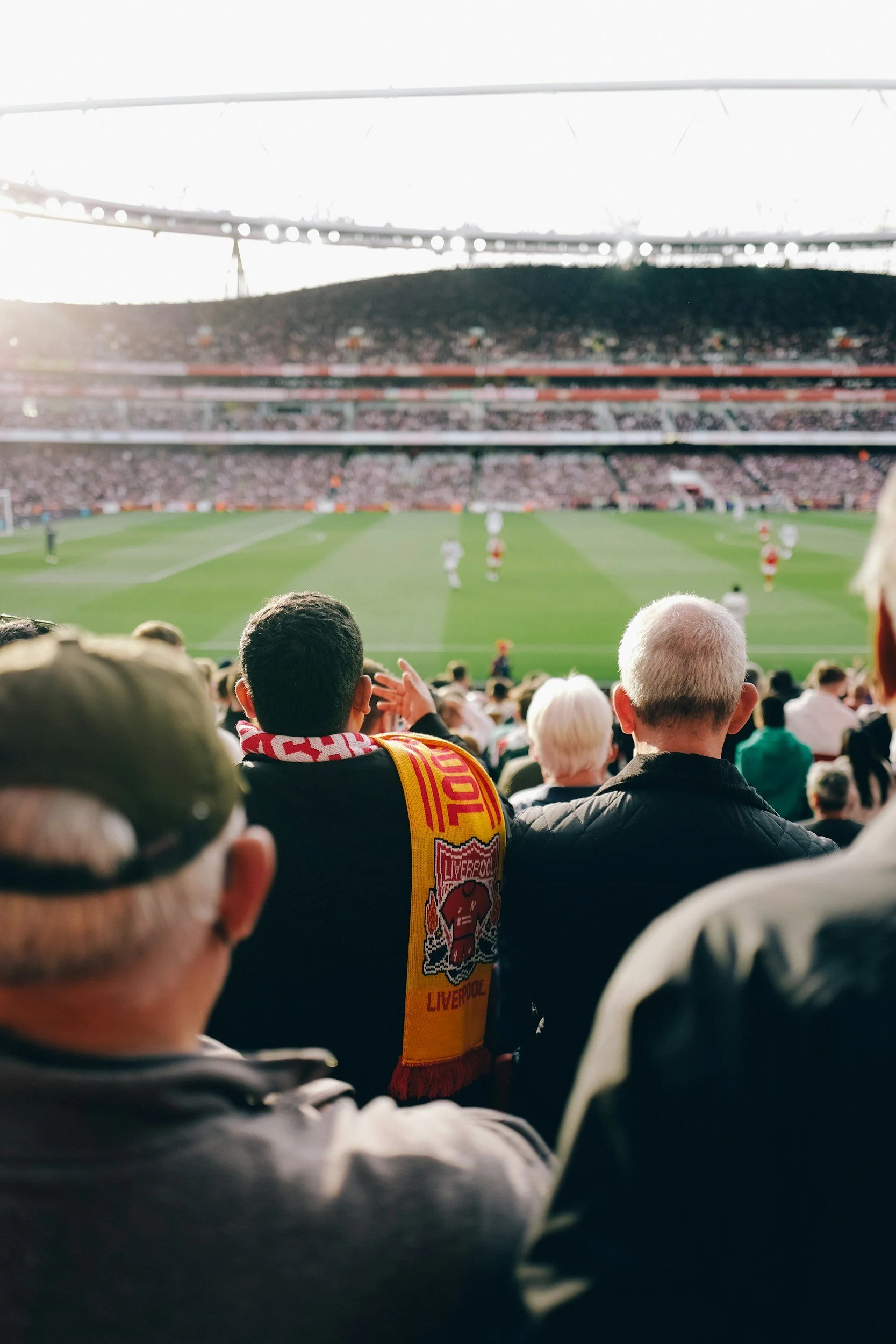
My family as I was growing up was a soccer family, and the World Cup was always a celebrated event. I have too many competing priorities at the moment, so I have only barely kept an eye on this year’s World Cup competition, and mostly that’s been through my family’s text chatter. One of the stories that drew my attention was Ecuador having to file a complaint because Mexico fans decided to “serenade” the Ecuador team ahead of their match against Mexico in Mexico City, preventing the team from getting adequate rest (Ecuador then lost). Having been raised with an appreciation for fair play, I found Mexico’s fans’ behavior to be reprehensible.
I don’t really understand the “win at all costs” mentality because dirty play makes the offending team look bad (esteem). Did Mexico win because they are the more highly skilled team or did they win because the Ecuadorian team’s physiological needs were deprived, affecting their cognitive abilities and response times? The fact that Mexico lost their very next game makes one suspect the latter.
But pondering the Mexico fans’ actions, I think I can understand them to some degree. Being part of the mob and joining in with their actions would help a person feel that they belonged to something greater than themselves (social), and it would give them a feeling of control over the outcome of the game when spectators usually have no control (autonomy). Being united in action probably gave the fans a sense of purpose, and there may have been some challenges for the organization (finding the hotel where the Ecuador team was staying, making noisemakers, etc.), all of which would have fueled growth. Finally, I’m sure there were lots of congratulations and smiles of appreciation going around to boost participants’ esteem.
All of this was on my mind when I came across a Time magazine article about “Why Watching Sports Makes People Happy.” It discusses a study conducted measuring well-being of fans before and after attending live sporting events. “What they found was that going to a live match significantly boosted some measures of well-being.” The author gives several possible reasons for this, all of which align with the Right Hand of Long-Term Happiness and the Four Stages of an Event:
Spectators of live sports feel a sense that life is worth living (growth).
Sports fans have a higher sense of self-esteem and are able to forge a unique identity through the sports they follow.
They have lower levels of loneliness and a higher sense of social connectivity.
Being a sports fan builds resilience, which is the skill of using reflection to favorably modify the outcome of an event and to lower expectations for future events.
Sports cycles help a person establish comforting rituals, which means setting expectations that are easily met.
What do you think? Do you disagree with me in my disapprobation of Mexico’s fans’ behavior toward the Ecuador team? Are you a passionate fan of a sport/team? What is it you love about being a fan?