Finding Comfort in Food
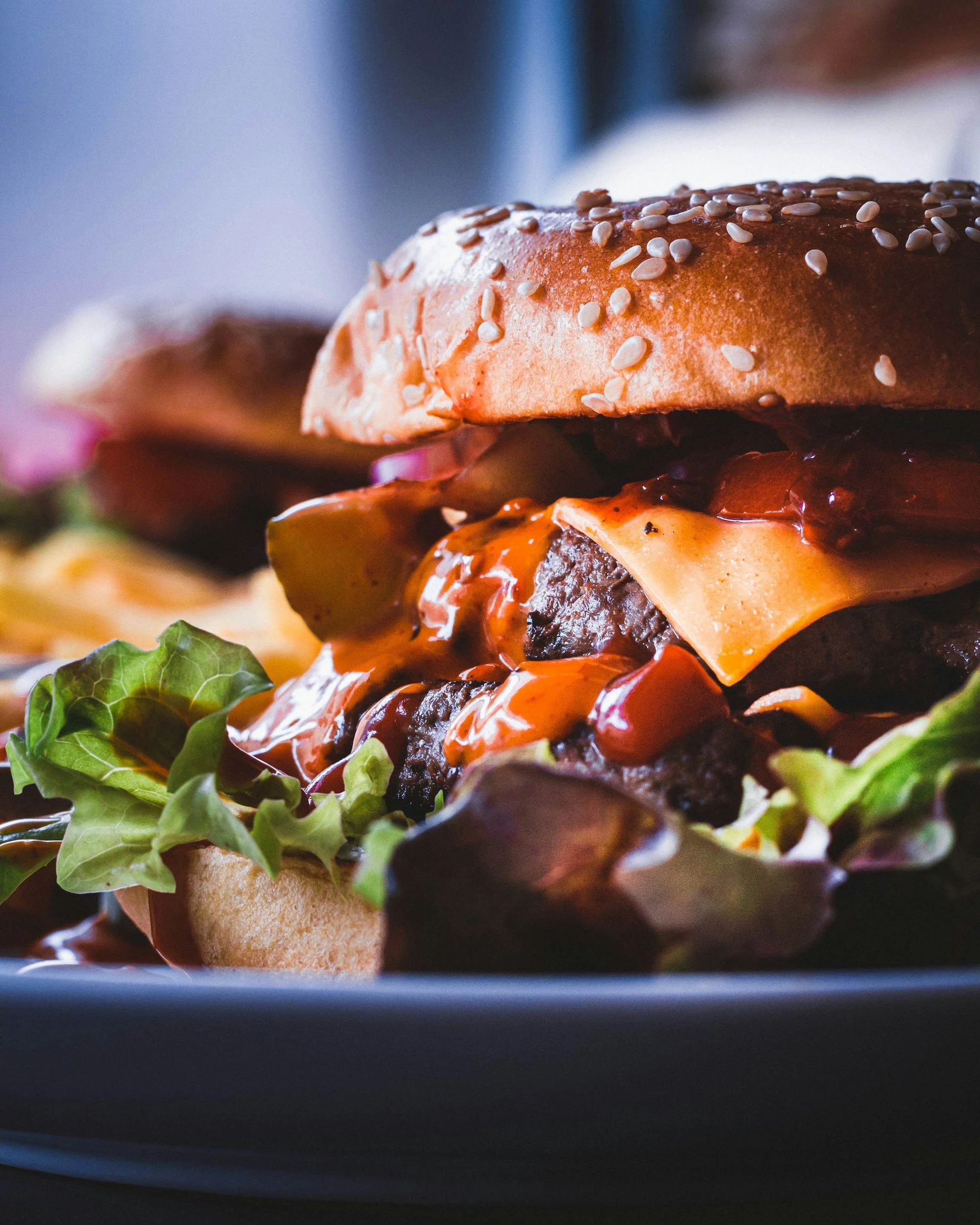
The other day I was talking to a fellow California transplant (I’m always surprised by how many of us there are here in Oklahoma). I asked her how often she gets back to visit her family, and she told me that she had to postpone her last trip. She said, “I’m eager to reschedule it for the food alone.” We then had a great time reminiscing about our favorite restaurants (for me, I crave a cold beer and burger at Islands restaurant as if I can’t find a good burger locally).
As someone who has lived in many places, I have lots of fond food memories that are particular to a location and make me yearn to return. These are my comfort foods. December 5th is National Comfort Food Day. There is a bit of controversy about whether comfort food actually does provide comfort or make a person any happier. Nutritionists will point to research that shows that the high sugar or high fat foods that people often consider comfort foods don’t provide any more of a mood boost than healthy foods do, and over time they can actually make you feel worse. Certainly the frequency with which we seek out comfort from food will have an impact on how that food affects our happiness. If we’re reaching for comfort foods several times a day, eventually our physiological needs will suffer and, because of that, we might start to attach a secondary feeling of guilt or shame to the foods (esteem). This can lead us to hide the behavior from loved ones (social). Seeking out comfort foods might become a habit or compulsive behavior, which can lead to a feeling of helplessness (autonomy) when we can’t resist the temptation of reaching for them. Finally, pressure to avoid comfort foods, either internal or external, can cause a person stress (safety).
However, when comfort foods are enjoyed as an infrequent special treat, they can give us a boost to one or more of our Six Needs. In some cases, like mine where my comfort food is associated with places I’ve lived, the food can bring on a wave of nostalgia. My feelings of Islands are associated with one of my best friends and the meals we spent laughing with other friends or watching college football together (social, esteem, safety, autonomy). Comfort food might be linked to a person (such as a family member) with whom you feel safe, loved, and cared for (social, safety). Comfort foods, in general, have been shown to fulfill belongingness needs (social) and are associated with lower cortisol levels in stress eaters (safety).
What are your favorite comfort foods? What associations do you have with that food? Let me know in the comments.
Notes:
A review of studies investigating the relationship between stress and food: Did That Brownie Do Its Job? Stress, Eating, and the Biobehavioral Effects of Comfort Food [PDF]
Comfort food and social needs: Threatened belonging and preference for comfort food among the securely attached
I do like how these study authors broke comfort foods out into different categories (nostalgic foods, indulgence foods, convenience foods, and physical comfort foods), although I think a lot of times comfort foods span two or more categories and the relationship between our feelings and the food, whatever the category, can be quite complex. Comfort Foods: An Exploratory Journey Into The Social and Emotional Significance of Food